Post-Construction Cleanup: Final-Stage Waste Management in Brisbane
Why Plan Final-Stage Post-Construction Waste Management in Brisbane?
Post-construction waste management in Brisbane starts with a clear plan for what to remove before the final clean and handover. A skip bin makes it easy to gather leftover materials, but skip hire doesn't include builders’ cleaning or sweeping trade rubbish before handover. Confirming what a service accepts prevents rejected loads, unexpected costs and delays on inspection day. Early coordination keeps the site safer and makes the final clean faster and cleaner.
What Skip Hire Does & What it Doesn’t
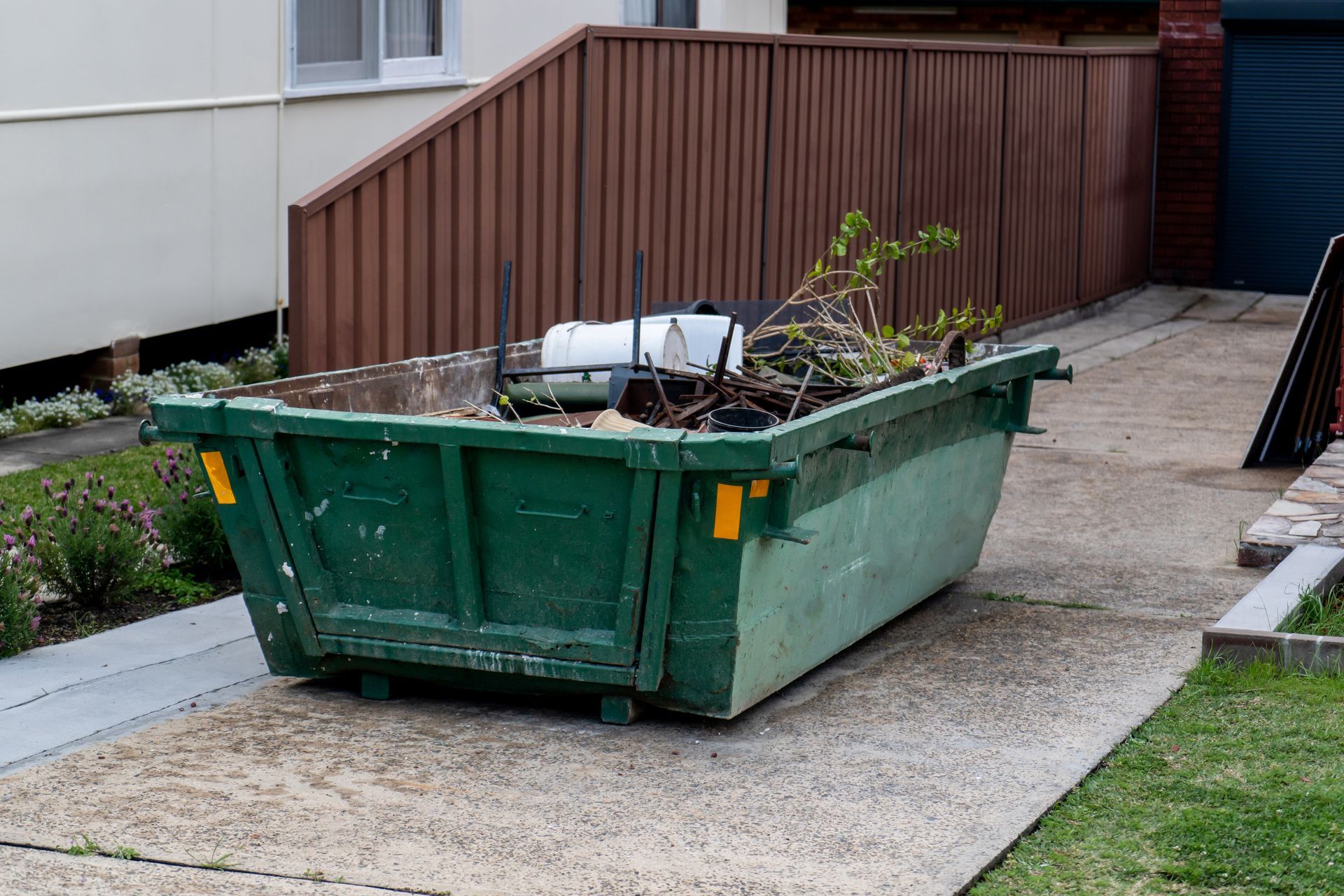
A correctly placed skip collects general construction and renovation waste for transport to authorised facilities. Skip hire does not cover professional cleaning, hazardous material removal, or handling heavy hardfill like concrete and soil. Use skip hire for standard fit-out debris and common renovation rubbish, and arrange separate services for excluded streams. Confirm limits with the operator before booking to avoid last-minute on-site problems.

Sort What’s Left After The Work
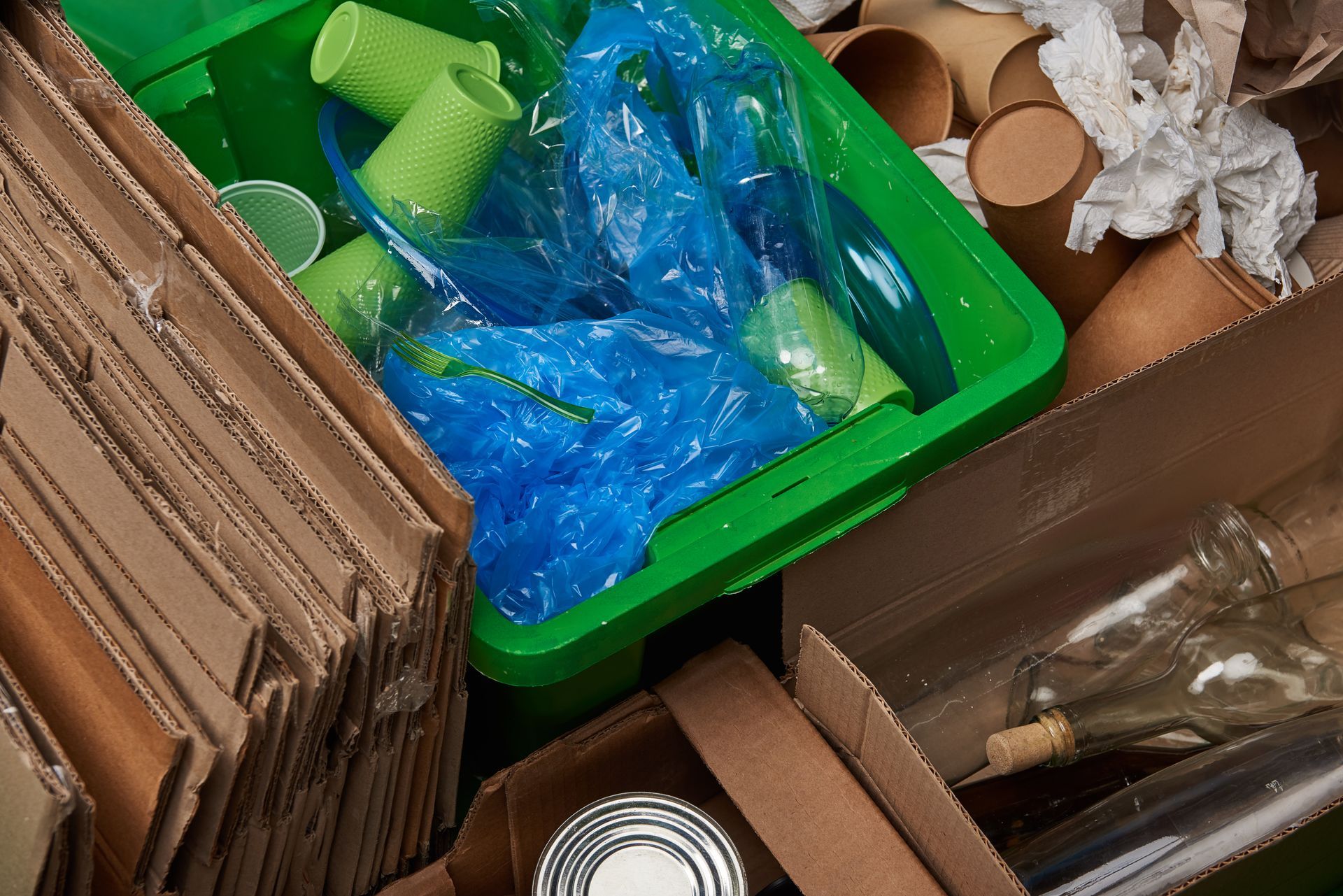
Start by separating materials into clear piles for reuse, recycling and general waste. This reduces loading time and helps control costs. Label or mark piles so trades and labourers know where to place items. A sorted site also reduces the chance of hazardous or excluded materials ending up in the skip. Keep a short list of accepted items at hand for quick checks during loading.
Reusable Materials & Household Items
Set aside timber offcuts in good condition, undamaged fixtures, doors, and hardware you can reuse or donate. These items often reduce bin volume and can add value to another project or charity. Store reusable items protected from the weather and arrange pickup or donation well before the final clean. Noting quantities helps estimate the right bin size.
Cardboard, Carpet, & Soft-Fitout Waste
Flatten and stack cardboard to save space, and roll and tie carpets when possible to make handling easier. Many soft-fitout items are accepted in general waste bins if they are free of heavy adhesives, nails and contamination. Keep these materials separate from timber and metal to reduce sorting at the depot and avoid extra fees. Check with the operator if an item appears contaminated or has embedded fasteners.
Items Needing Operator Confirmation
Bulk plastics, painted timber, composite boards, and mixed-material bundles often require operator confirmation before loading. Contact the skip provider with photographs and descriptions to confirm acceptance and avoid rejected loads on collection day. If an item is likely to be refused, arrange an alternative disposal or separate it on site. Written confirmation from the operator reduces disputes and uncertainty.
Keep Hardfill & Hazardous Waste Separate
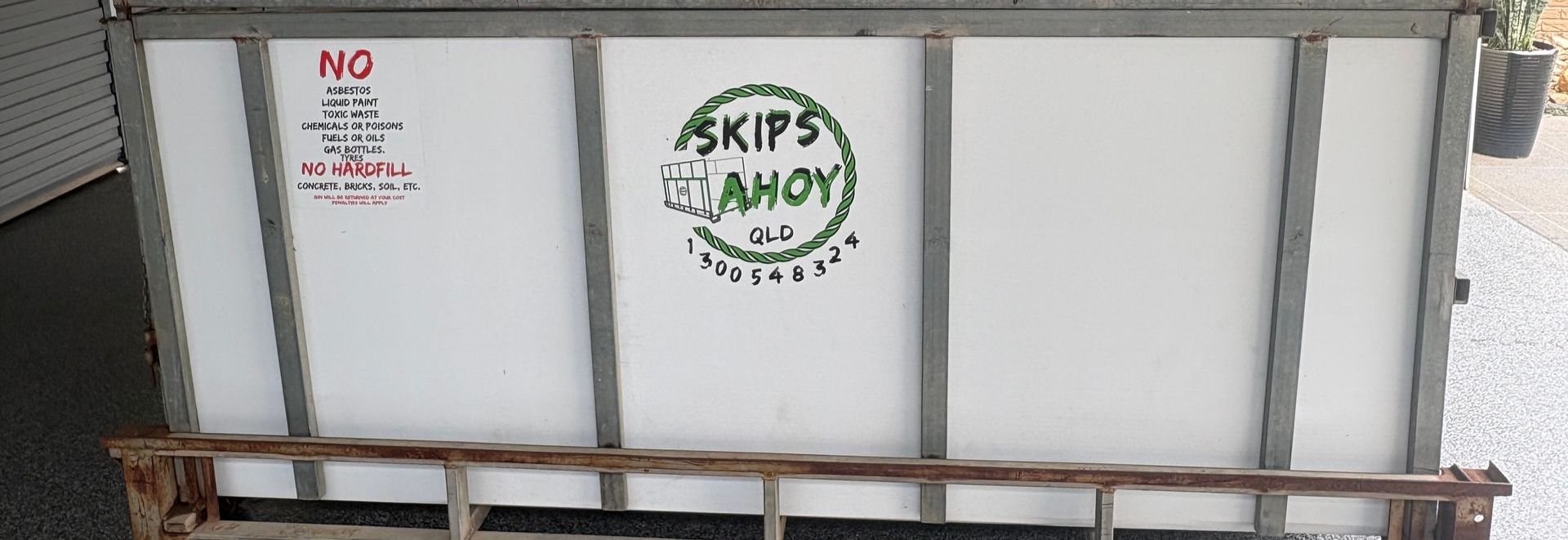
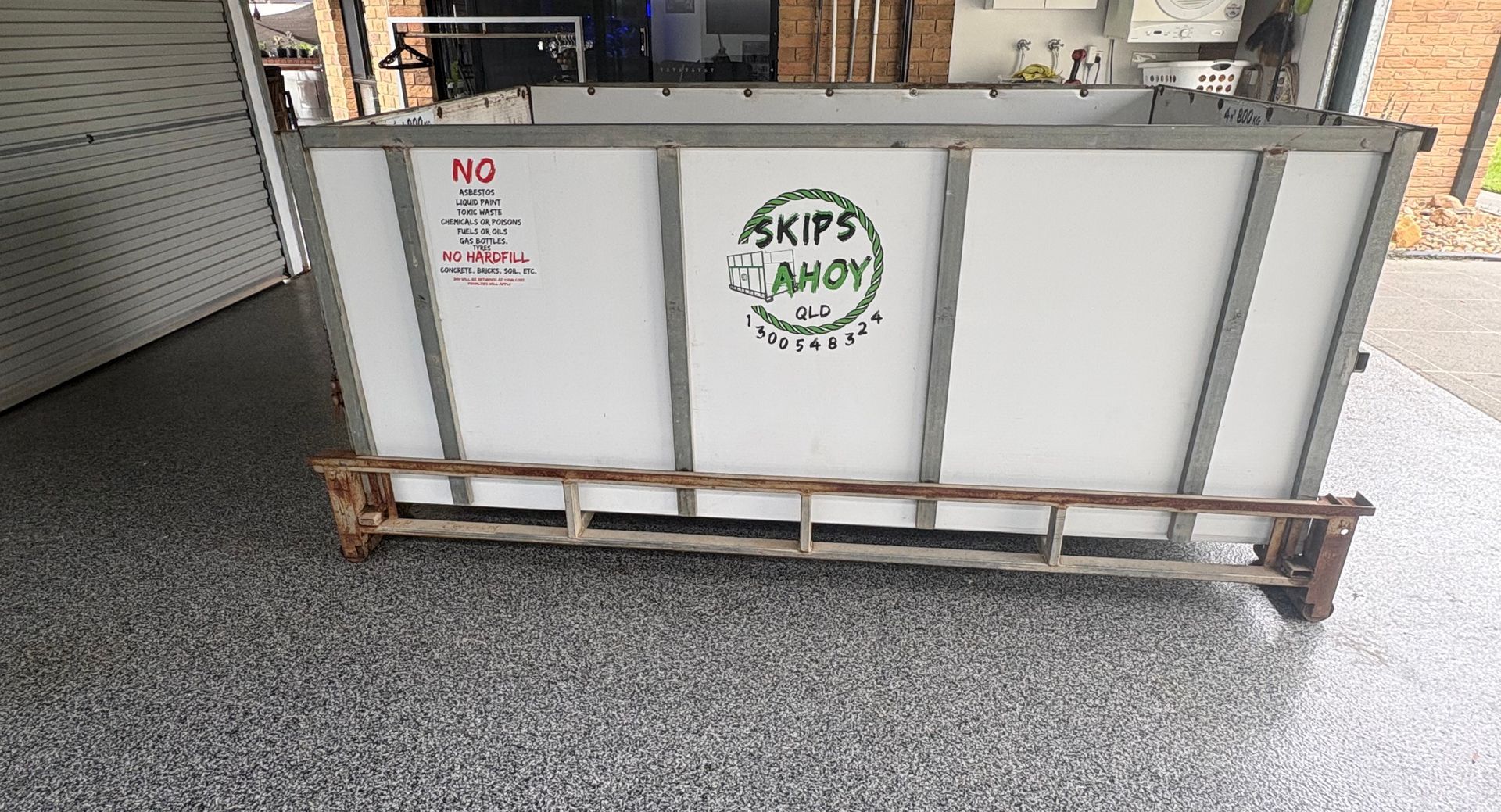
Skips Ahoy excludes certain heavy and hazardous streams, and these must be handled separately to meet safety and regulatory requirements. Planning separate removal ensures compliant disposal and prevents contamination of general waste. Communicate exclusions to all trades so excluded materials are not loaded into standard skips.
Hardfill Exclusions (Concrete, Bricks, Soil, Gravel)
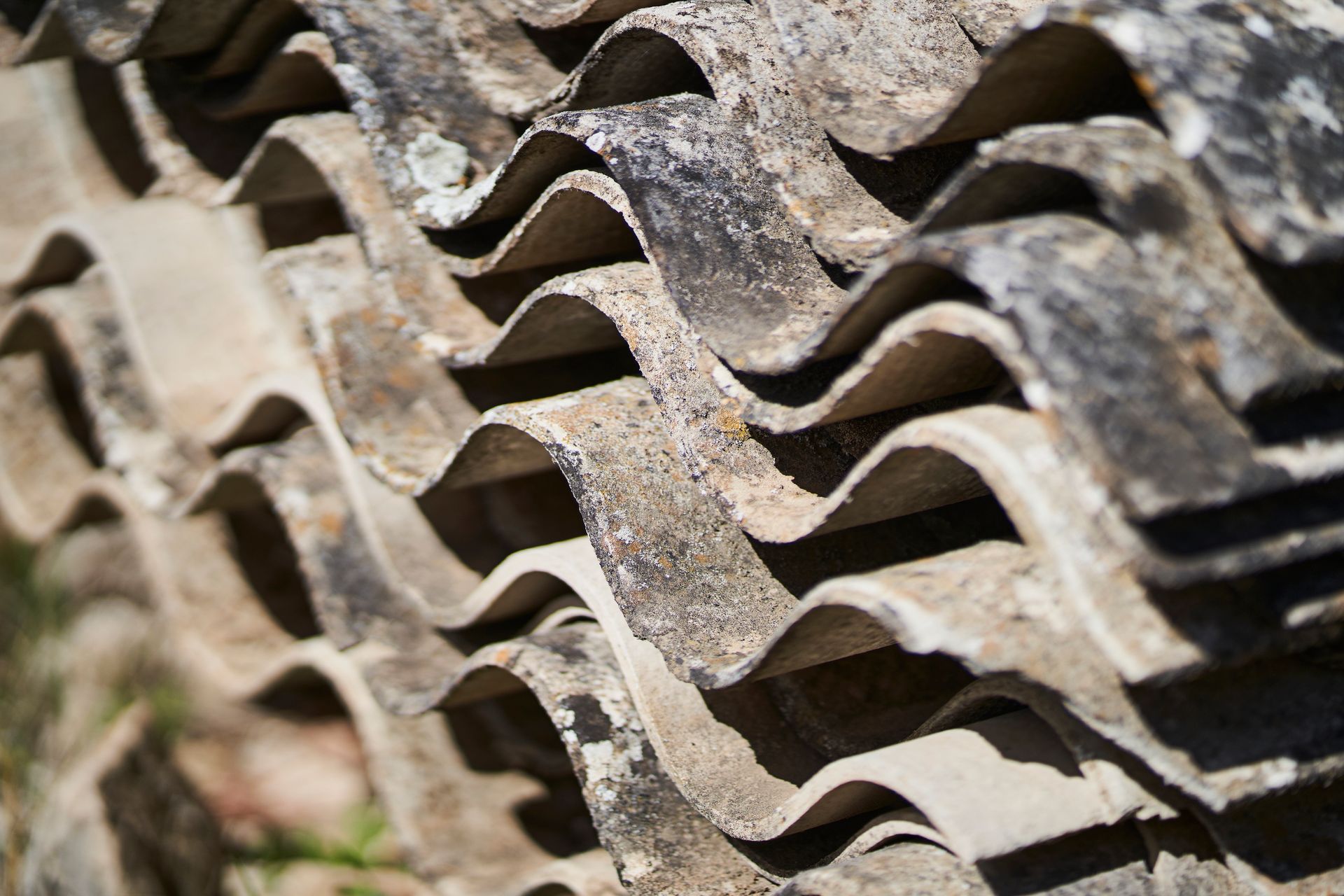
Concrete, bricks, crushed rock, soil, and gravel are classed as hardfill and aren't accepted in standard skip bins because of weight and handling restrictions. Arrange a dedicated rubble or hardfill service that can safely transport and process these materials. Loading hardfill into a general skip can create safety hazards and lead to substantial surcharge fees. Plan a separate collection or hire an authorised rubble container for these streams.
Hazardous Materials (Including Asbestos)
Asbestos, contaminated soils, chemical drums, lead paint residues and similar hazardous wastes require licensed removal and specialised disposal. Never place hazardous materials in a general skip; they present major health and legal risks. If you suspect hazardous material, stop work and contact a licensed assessor or removal contractor. The operator can provide guidance and recommend licensed specialists.
How to Arrange Separate Disposal
Confirm separate disposal arrangements early, and schedule licensed contractors to remove hazardous or heavy materials before the final site collection. If you don't have contacts, ask the skip provider for referrals to licensed hardfill and hazardous waste contractors. Document the arranged services and windows of access so trades can sequence work appropriately. Clear timing prevents last-minute delays and keeps the handover on track.
Choose A Suitable Bin & Placement
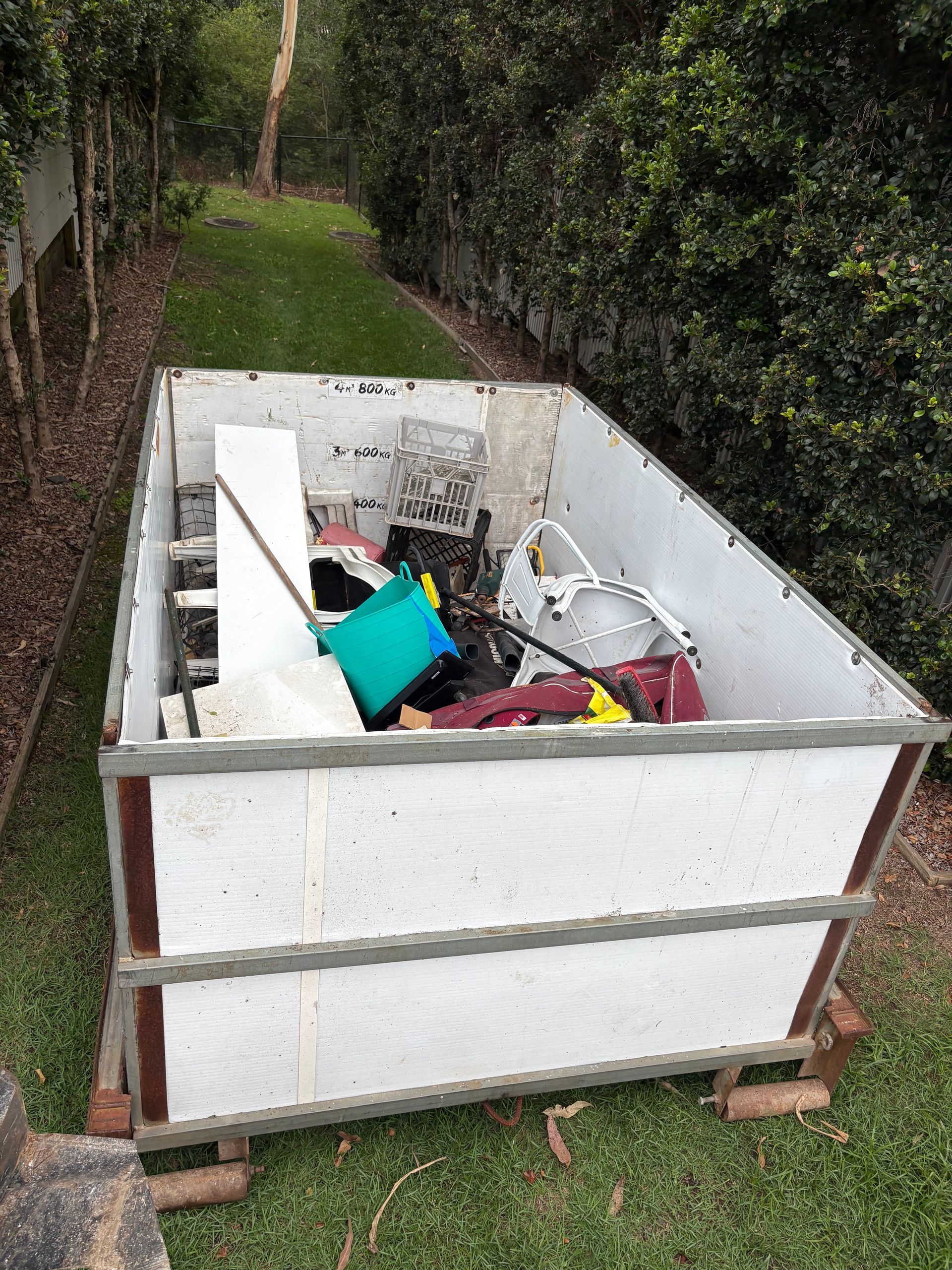
Selecting the right bin size and location on site improves safety, loading speed and overall efficiency. Assess expected volume and material type to choose a bin that balances space and weight limits. Confirm legal parking, driveway access and any council restrictions before delivery. Proper placement minimises disruption to trades and prevents blocked access during the final clean.
Bin Sizes: 2m³, 3m³, 4m³, & 6m³
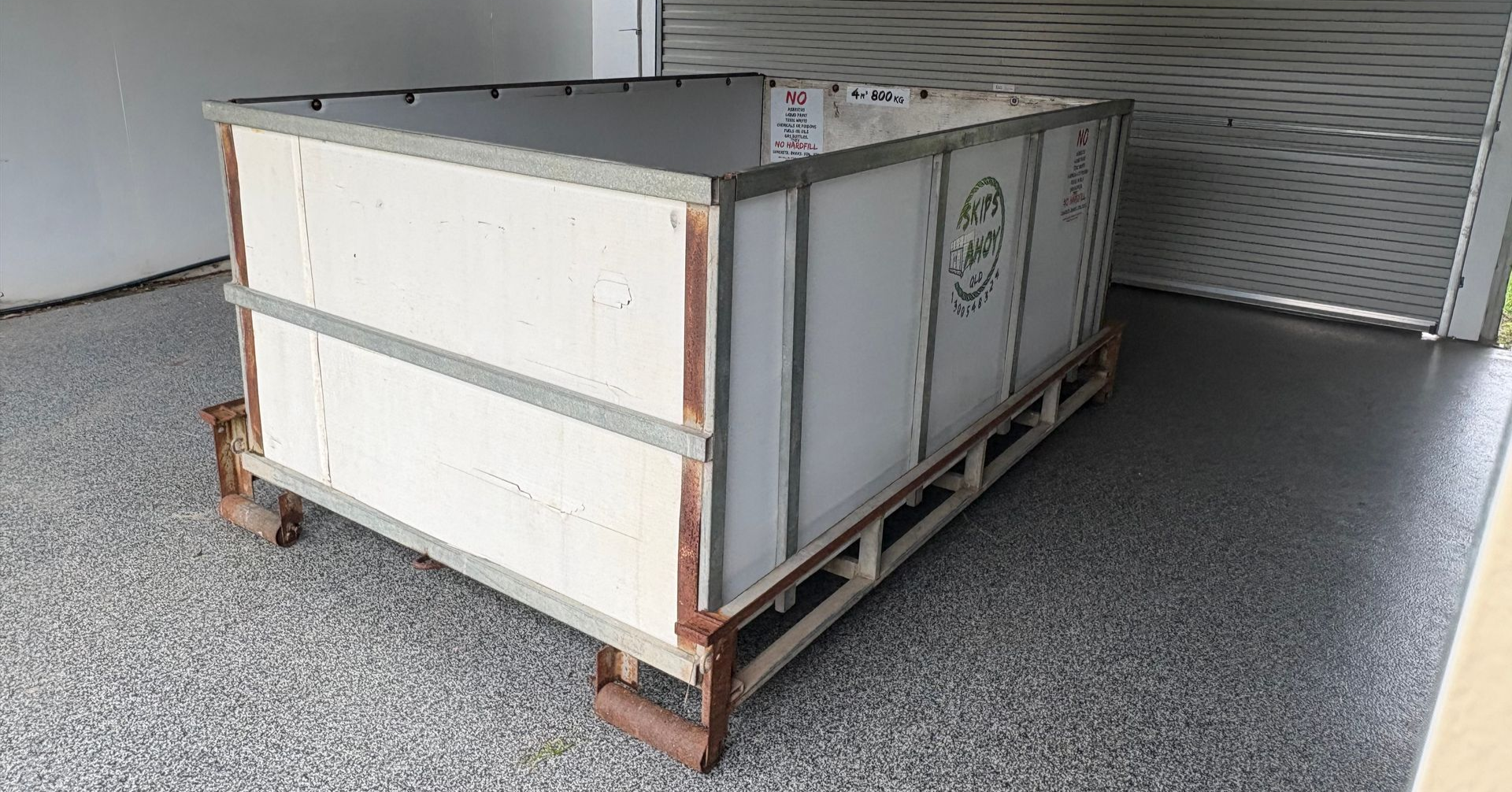
These sizes cover common renovation needs: 2m³ for small tidy-ups, 3m³ and 4m³ for typical renovation loads, and 6m³ for larger clear-outs. Choose based on how much loose, bulky or compacted waste you expect to generate. Smaller bins suit tight sites and quick removals. Larger bins reduce the need for multiple collections. Give the operator a reasonable volume estimate when booking so they can recommend the most suitable size.
Why Material Type Matters As Well As Volume
Dense materials reach weight limits faster than bulky items that take up volume. A bin that looks full may still be under the weight restriction, and vice versa. For heavy fit-out waste, choose a bin with the right weight capacity or arrange staged collections. For bulky, lightweight materials such as loose timber or drywall offcuts, choose a larger volume bin to avoid overfilling. Tell the operator exactly what materials you will load so they can advise on the right balance.
Confirm Delivery Access & Placement With The Team
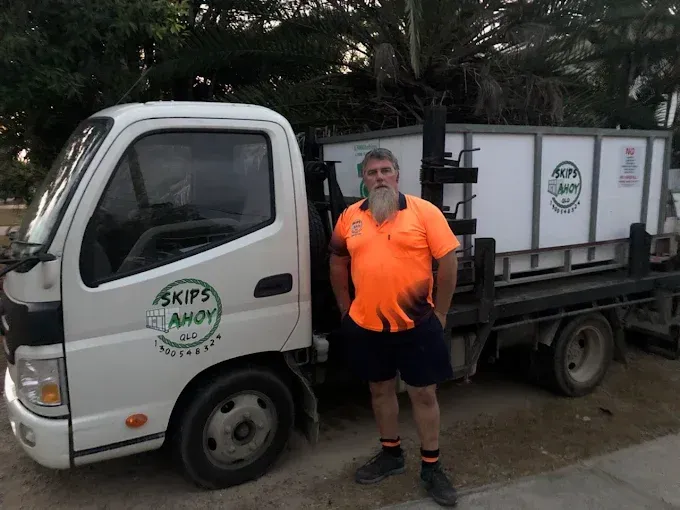
Check driveway width, overhead clearances and local parking rules before booking a delivery time. Share site photos and access notes with the operator to avoid failed drop-offs. Confirm placement with your site team so the skip does not block required access for trades or deliveries. Good communication keeps deliveries and collections safe and on time.
Plan Collection Before The Final Clean
Scheduling collection at the right time prevents interruptions during handover and keeps the final clean efficient. Book collection after the last trades finish loading the skip but before the final inspection or formal handover. Allow enough lead time for the truck to arrive, considering local traffic and site access limitations. Clear scheduling reduces the chance of missed collections or last-minute changes.
Practical Renovation Waste Management Sequence For Handover
A common sequence is: let the final trades finish, consolidate approved rubbish into the skip, confirm the operator accepts the load, schedule collection, then do the final clean. This sequence keeps rubbish removal from interfering with cleaning and snagging. Ensure trades know which items go in the skip and which are excluded to avoid rework. A staged approach supports a smooth handover.
Access, Approved Loading, & Collection Timing
Require trades to load only approved items and to notify the site lead when loading is complete. Schedule the collection with a realistic arrival window, accounting for local council rules and truck access. If the site has restricted access, arrange parking permits or temporary suspension of local parking controls in advance. Clear timing instructions and approved loading practices reduce delays and surcharges.
Contact Skips Ahoy For Post-Renovation Waste Disposal Brisbane
For post-renovation waste disposal in Brisbane, call 1300 548 324 or submit the contact form to confirm what you will put in the bin, your site address and preferred dates.